

Easy Guide to Making Safe Homemade Kinetic Sand for Play and Display
- busylittlefingers0
- Nov 17
- 3 min read
Kinetic sand offers a unique sensory experience that combines the feel of dry sand with the moldability of clay. It’s a favourite for children’s play and creative displays. While store-bought kinetic sand is convenient, making your own at home can be fun, cost-effective, and customisable. This guide explains how to create safe homemade kinetic sand, highlights its safety aspects, and offers tips for using it on our stands and trays.
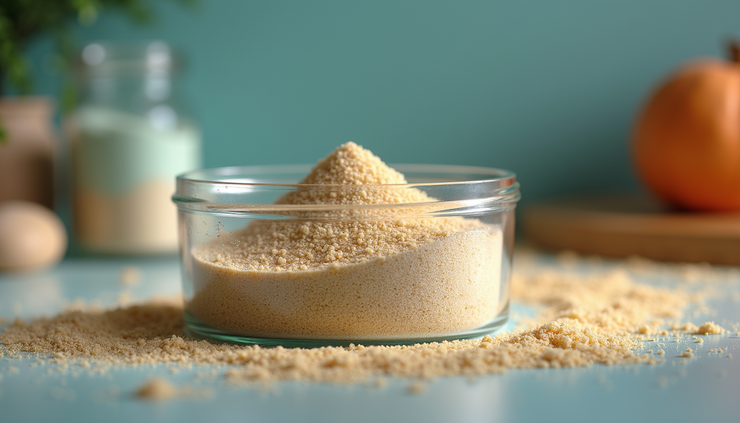
How to Make Homemade Kinetic Sand
Creating kinetic sand at home requires just a few simple ingredients. The basic recipe includes fine sand, cornstarch, and a binding agent like dish soap or oil. Here’s a straightforward method:
Ingredients
4 cups of fine sand (play sand or sandbox sand works well)
1 cup of cornstarch
1/2 cup of water
1 tablespoon of dish soap or 2 tablespoons of vegetable oil (for binding and smooth texture)
Optional: food colouring for colour customization
Instructions
Mix dry ingredients: In a large bowl, combine the sand and cornstarch thoroughly.
Add liquid: Slowly add water and dish soap (or oil) to the dry mix. Stir continuously to avoid clumps.
Adjust texture: If the mixture feels too dry, add a little more water or oil. If it’s too wet, sprinkle in more sand or cornstarch.
Add colour: If desired, mix in a few drops of food colouring to create vibrant kinetic sand.
Knead: Use your hands to knead the mixture until it feels smooth and mouldable.
This homemade kinetic sand should hold its shape when moulded but crumble easily when pressed, mimicking the texture of commercial kinetic sand.
Safety of Homemade Kinetic Sand
Safety is a top priority, especially when children are involved. Homemade kinetic sand is generally safe, but there are some important considerations:
Non-toxic ingredients: The recipe uses common household items that are non-toxic. Avoid using any additives that could cause allergic reactions or irritation.
Supervision: Always supervise young children during play to prevent ingestion of sand or other ingredients.
Cleanliness: Keep the sand in a sealed container when not in use to prevent contamination and drying out.
Allergies: Check for allergies to cornstarch or dish soap before use.
Avoid small parts: Do not add small objects to the sand that could pose choking hazards.
Homemade kinetic sand does not contain preservatives or chemicals found in some commercial products, which can be a plus for parents seeking natural play materials.
Using Homemade Kinetic Sand on Stands and Trays
Kinetic sand is ideal for our sensory trays and stands because it holds shapes well and is easy to clean up. Here are some tips for using your homemade kinetic sand on stands and trays:
Our trays: Helps prevent mess and cleanup as they contain the sand.
Protect surfaces: Place a mat or cloth under the tray to catch any stray sand grains.
Keep it dry: Homemade kinetic sand can dry out faster than commercial versions. Store it in airtight containers and add a few drops of water or oil to refresh the texture if needed.
Creative displays: Use moulds, cookie cutters, or small tools to create shapes and patterns on the sand. This works well for educational activities or decorative displays.
Easy cleanup: The sand clumps together, making it simple to scoop up and return to its container after play.
Benefits of Making Your Own Kinetic Sand
Making kinetic sand at home offers several advantages:
Cost-effective: Ingredients are inexpensive and often already available at home.
Customisable: You can adjust texture, colour, and scent to suit preferences.
Safe and natural: Avoids synthetic chemicals and preservatives.
Educational: Making the sand can be a fun science experiment for kids, teaching them about mixtures and textures.
Sensory development: Provides tactile stimulation that supports fine motor skills and creativity.
Troubleshooting Common Issues
If your homemade kinetic sand doesn’t turn out as expected, try these fixes:
Too sticky: Add more sand or cornstarch to reduce stickiness.
Too dry or crumbly: Add a small amount of water or oil to improve moldability.
Clumpy: Mix thoroughly and knead well to break up clumps.
Colour fades: Use gel food colouring for more vibrant and lasting colours.


Comments